




Wyatt Thiry
January 15, 2026
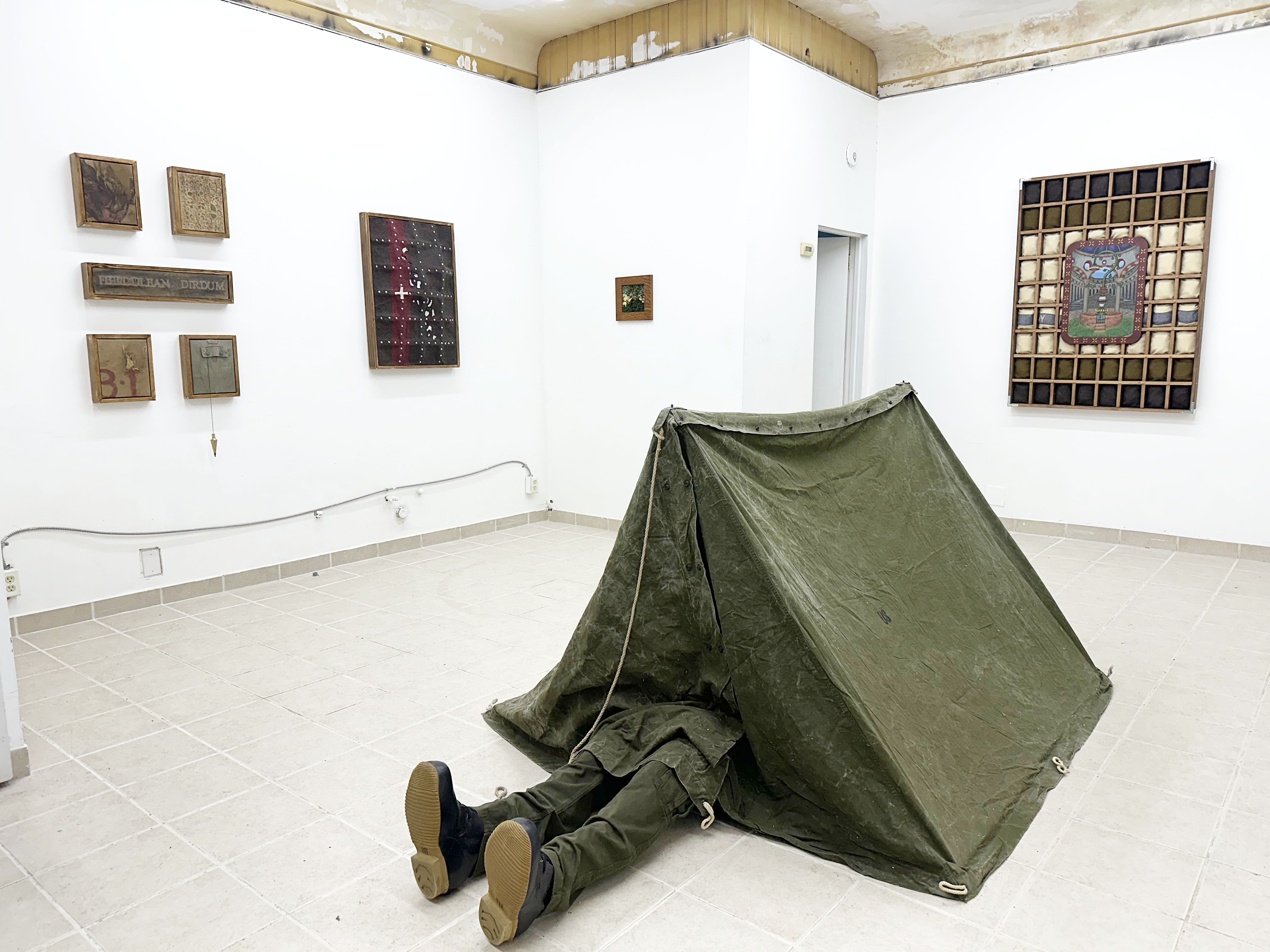
Sour Wine: or Marching Asleep (Having Lost Their Boots) by Sam Albaugh at The Barbershop
There may be no greater abstraction than war. We feel to know its reality, to grasp its images. But this is only half true. We know it only through what we are told, through the pictures shown, the orders given, through the bombs dropped on our heads. As well as we would wish, we do not know the why of war. We are not the one in the chair, with the big red button and the map. It is altogether abstract.
Albaugh’s work is to capture this. And whether the pieces intend to present “...technical mastery, theoretical absurdity...[or] a refined painterly skill,”1 it shows us that it is no small task to represent such a system, especially one which we all claim a certain degree of familiarity (one often exaggerated within ourselves). Albaugh’s work claims this familiarity in a digestible, unified aesthetic. It is starkly reminiscent of the set design on M*A*S*H.
In its existence in a gallery setting, the work glimpses into the abstraction that is war through the veil of familiarity. We associate the colors and materials of these objects with war and war-time. They are representation, while also an abstraction in their exclusion of complexity. Presenting reality through a single image or object, or even a collection of objects is an abstraction in itself. I do not think this ‘abstraction-on-abstraction’ was planned, or necessarily understood by the artist, but in its examination it raises the thought: to represent is to abstract.
Your world immutable wherein no part the little maker has with makers art, I bow not yet before the iron crown, nor cast my own small Golden Scepter down...2
This quote from JRR Tolkien gives us a basis for understanding this use of aesthetics. It is a tool used in Albaugh’s work to attempt at signifying an abstract reality. “We bow not before the iron crown…” the raiment worn by the ones who represent the realities [or wage the wars] which we choose to oppose or signify. Simultaneously, we so often relish the opportunity to present reality in our own ideal, and so refuse to cast away our own ‘golden scepters’ of authority. While not authoritative in an authoritarian sense, there is always a degree of authoritativeness in claims of authorship, as in an artist’s aesthetic on display.
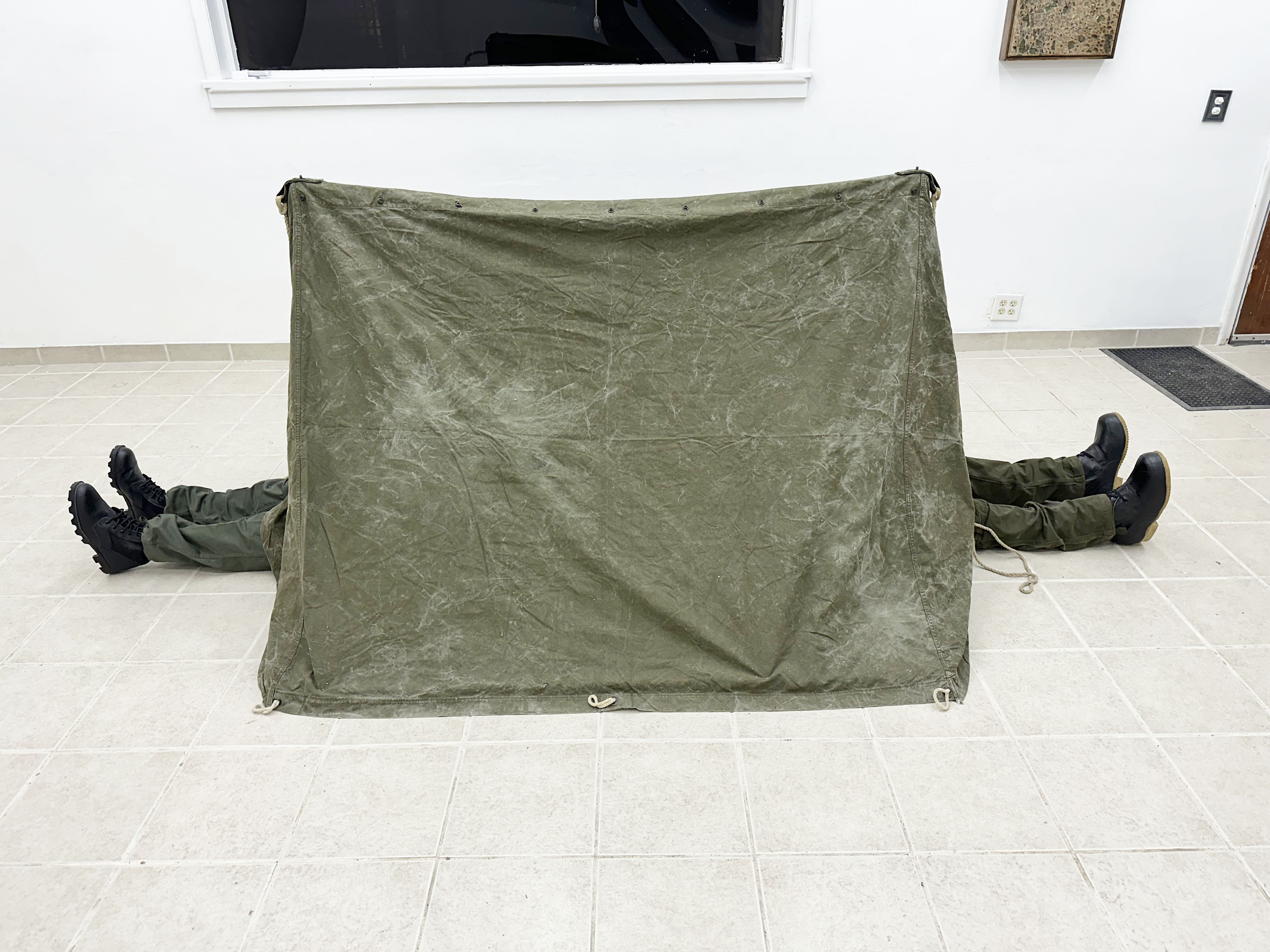
Marching Asleep. Canvas, leather, rubber, wood
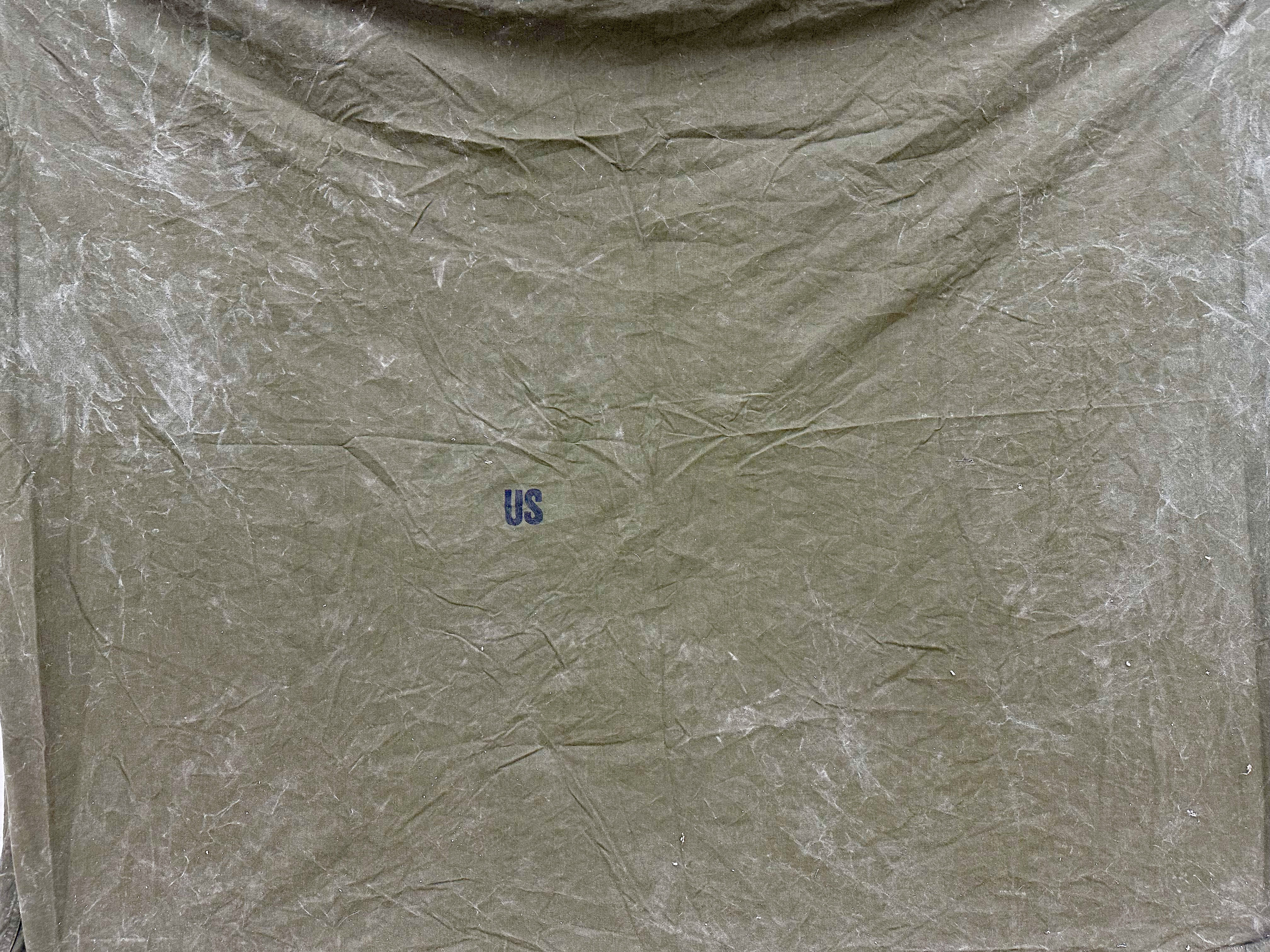
Marching Asleep (Detail)
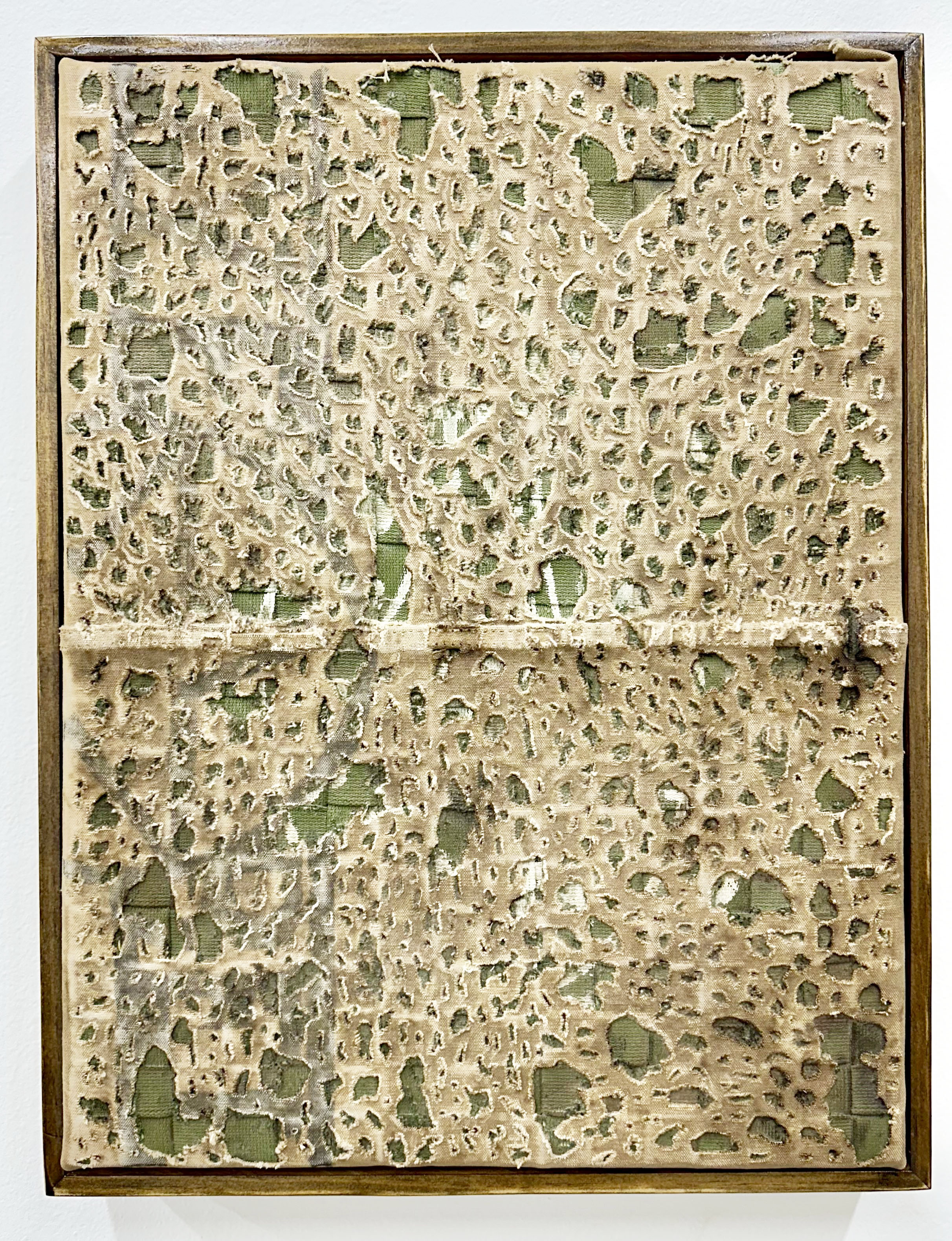
Repast in a Garden. Iraq war canvas duffle bag, wood
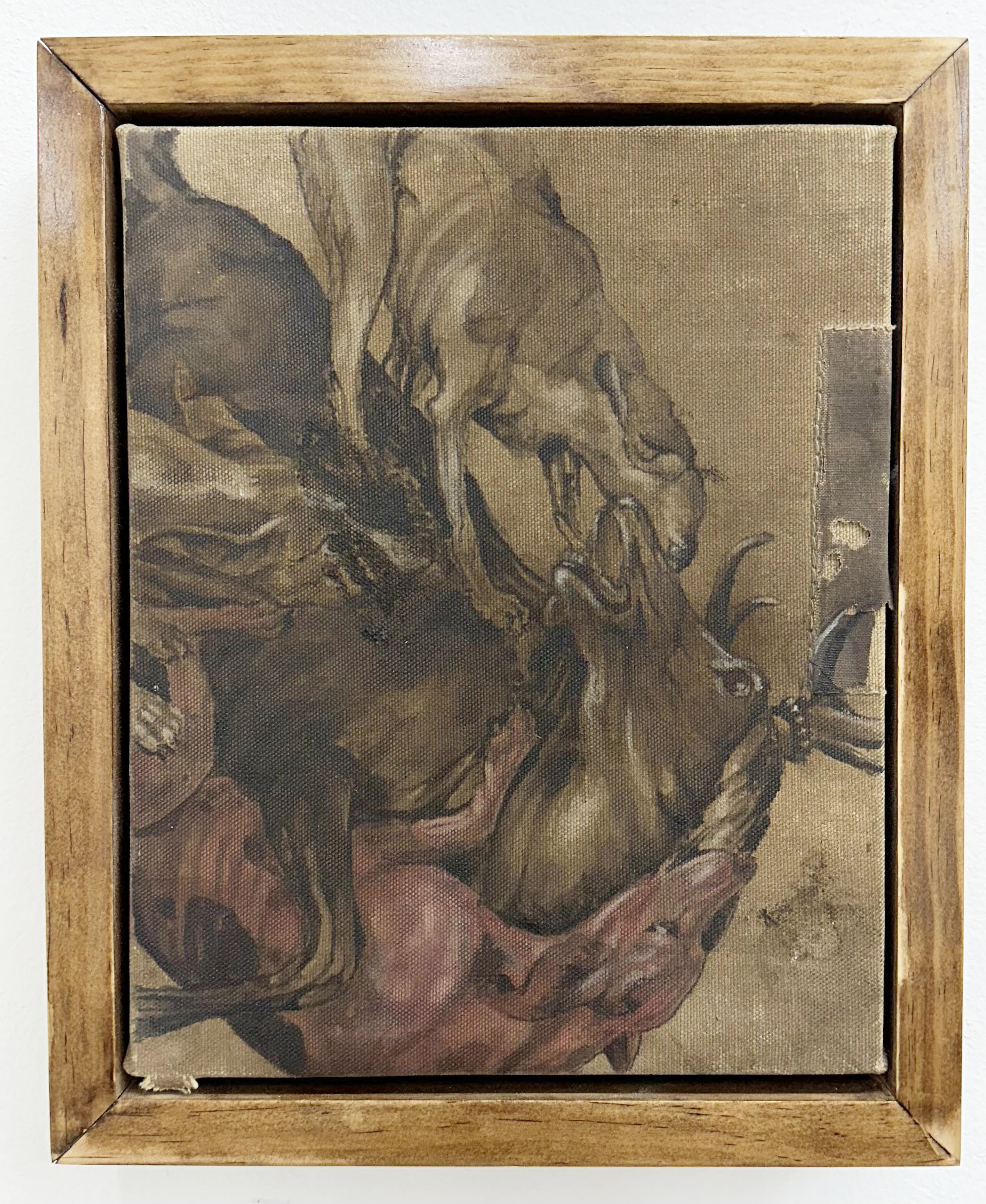
Hunting Dogs. Acrylic on canvas from WW1, Backpack, wood panel
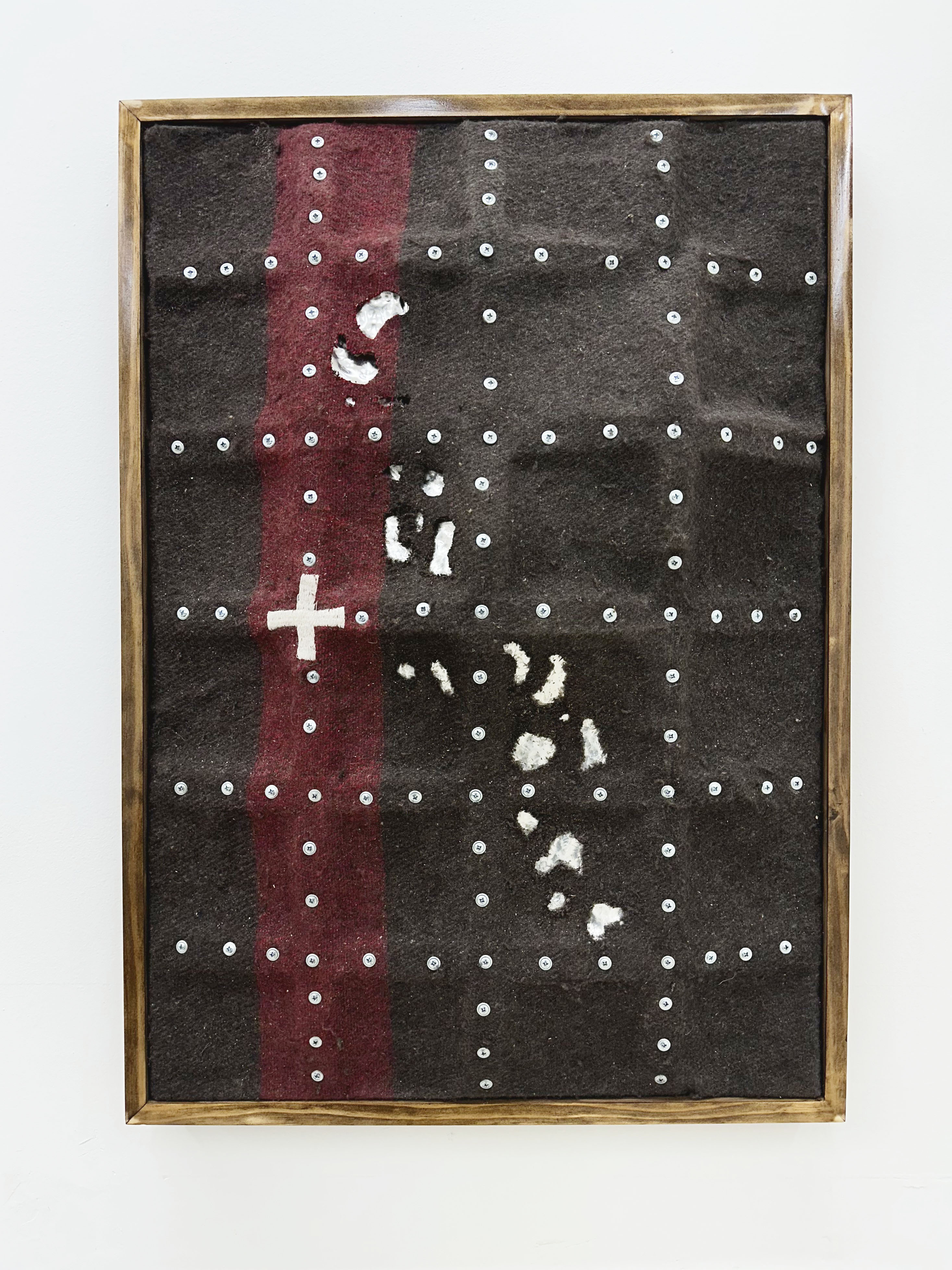
Swiss Army Blanket. Swiss army medical blanket, aluminum, wood
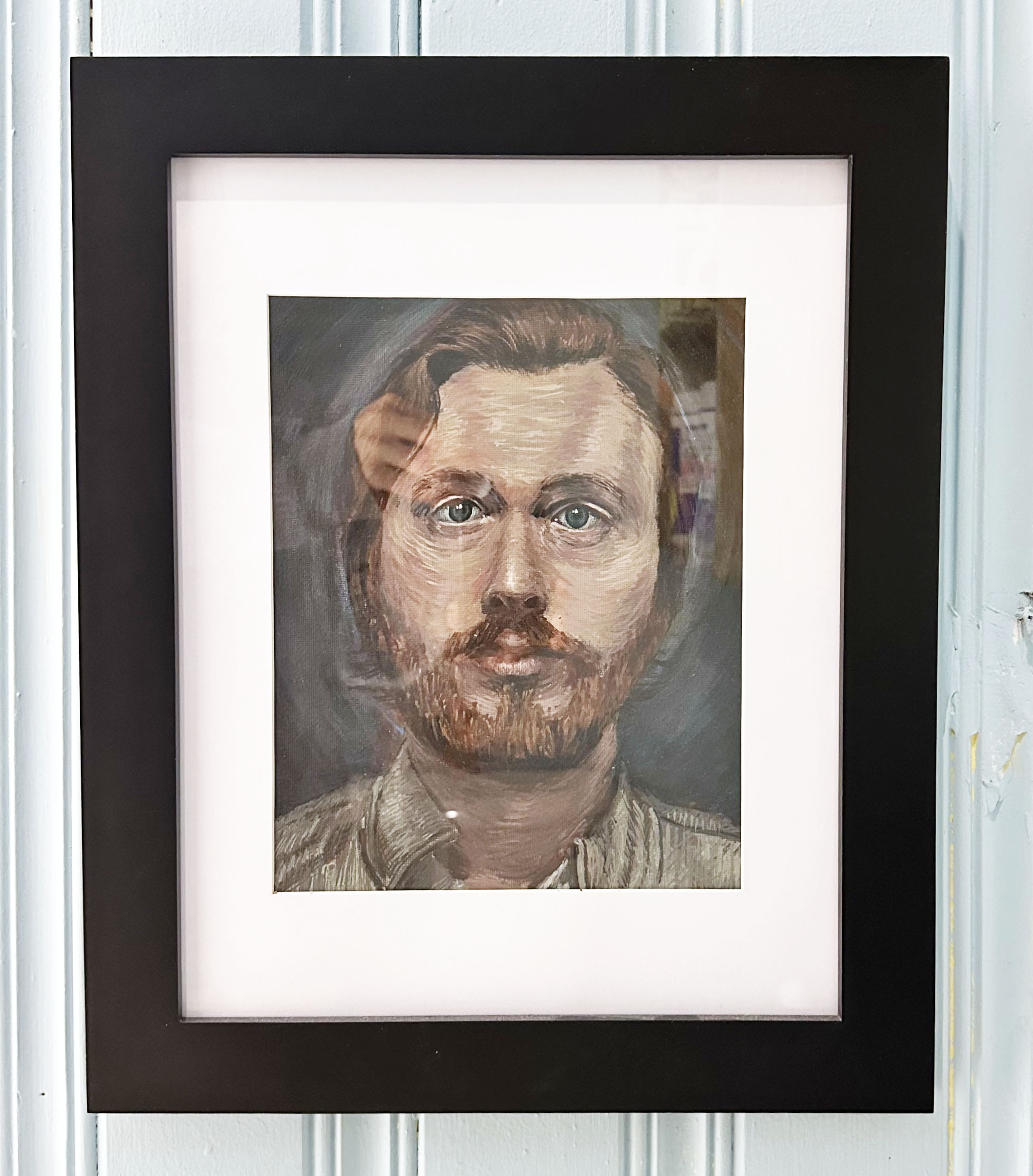
Self Portrait (Under Watchful Eyes). Acrylic on canvas
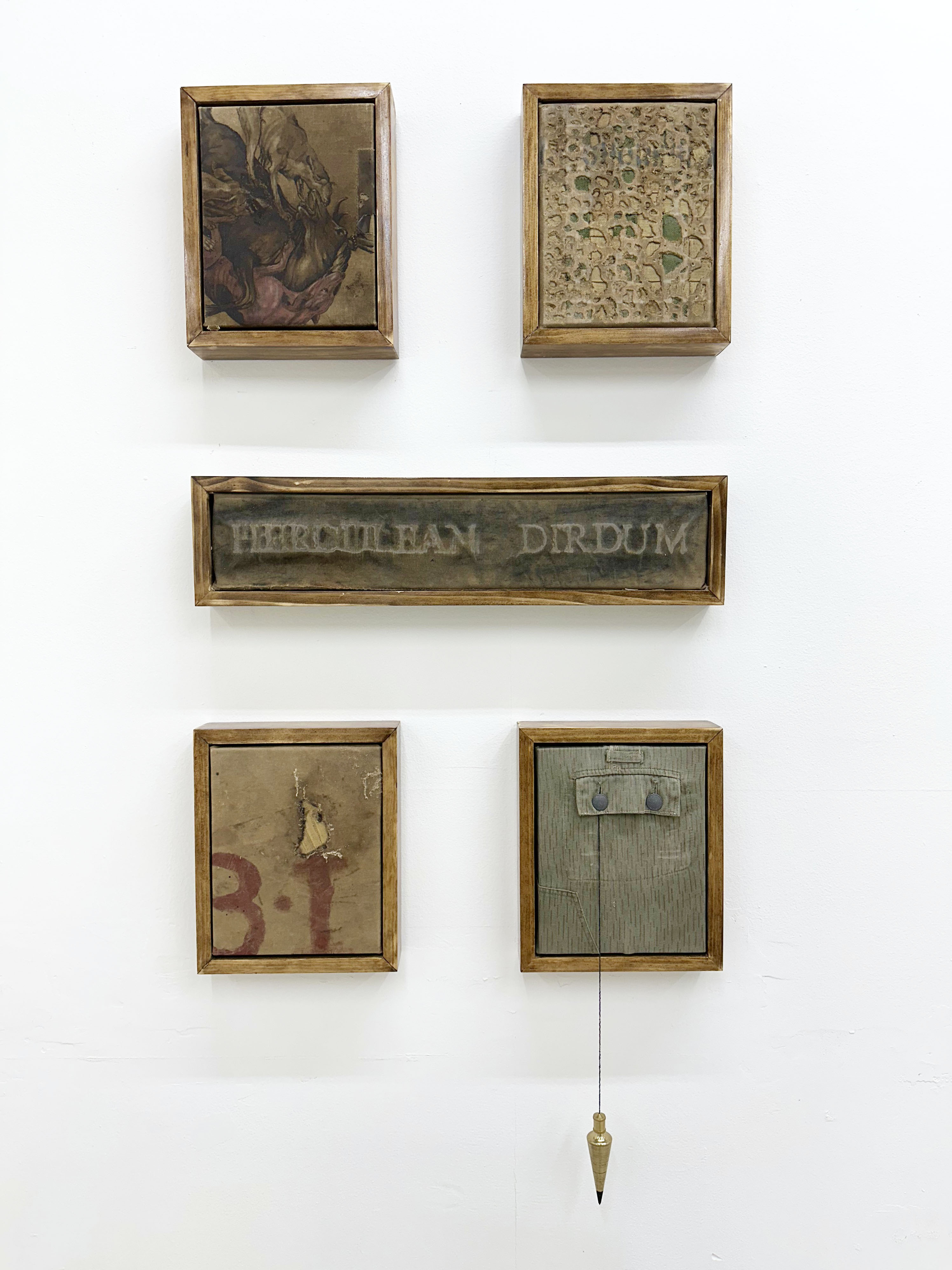
(Top Left) Hunting Dogs. Acrylic on canvas from WW1, Backpack, wood panel. (Top Right) After Vuillard. Canvas from Japanese grenade vest, Iraq war. canvas duffle bag, and WW1 grenade vest, wood panel. (Middle) Herculean Dirdum. Iraq war canvas duffle bag, wood panel. (Bottom Left) Repair 31. Iraq war canvas duffle bag, wood panel. (Bottom Right) Pocket Plum. East German linen shirt, brass plum bob, wood panel.
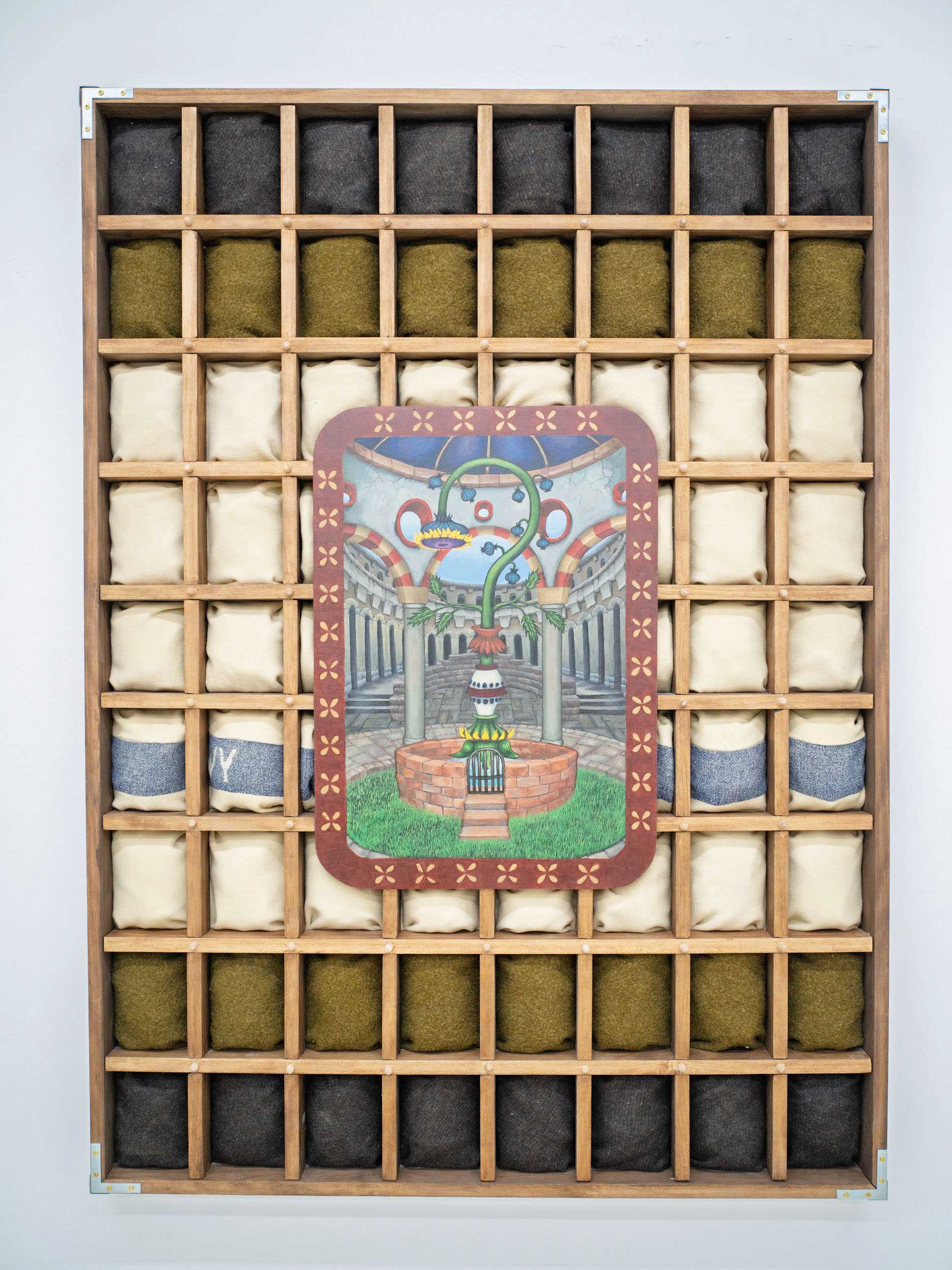
Amphitheater View. Acrylic on wood panel, Navy medical blanket, WW1 sleeping bag, Swiss army medical blanket, wood, aluminum.
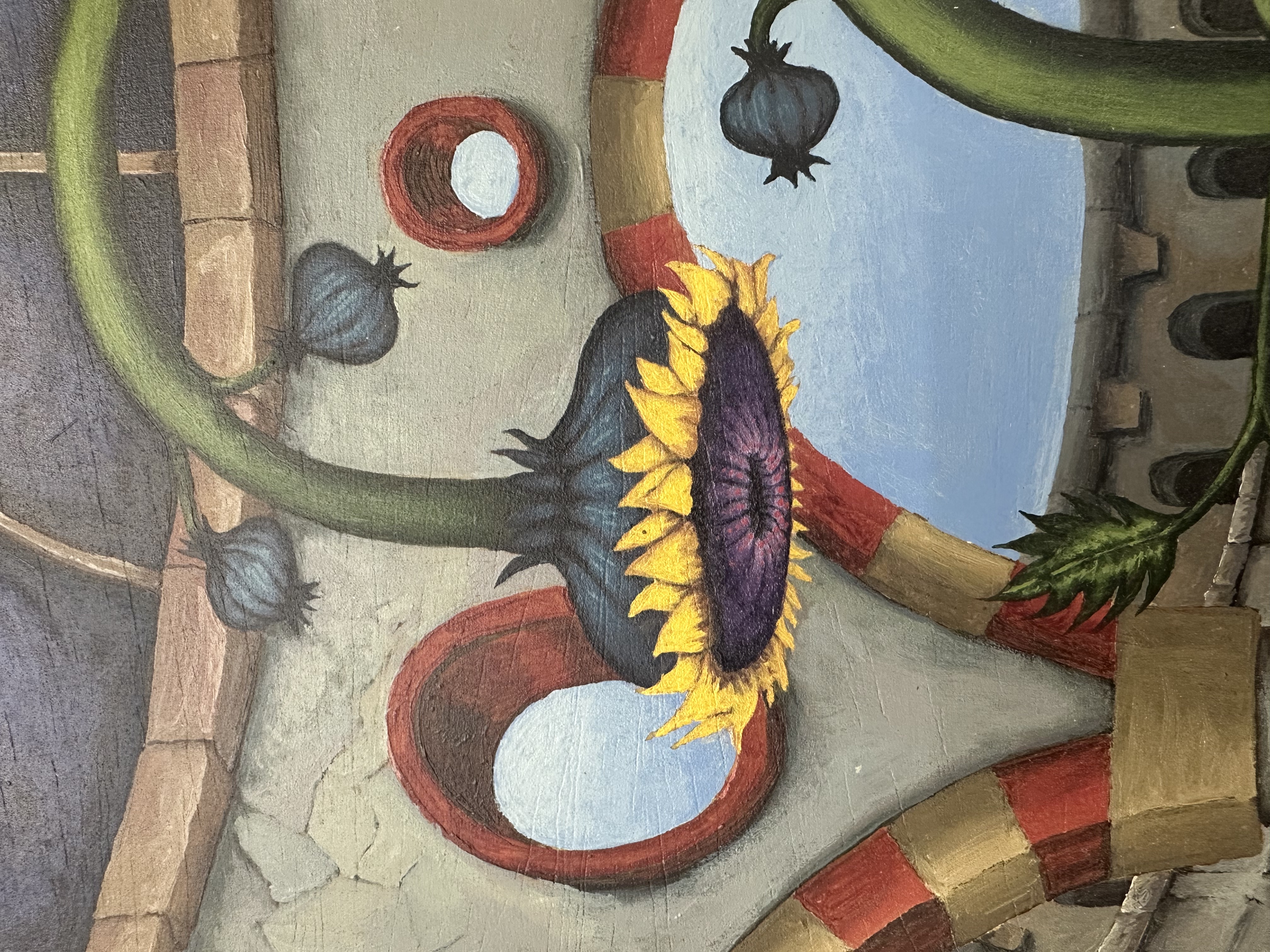
Amphitheater View Detail.
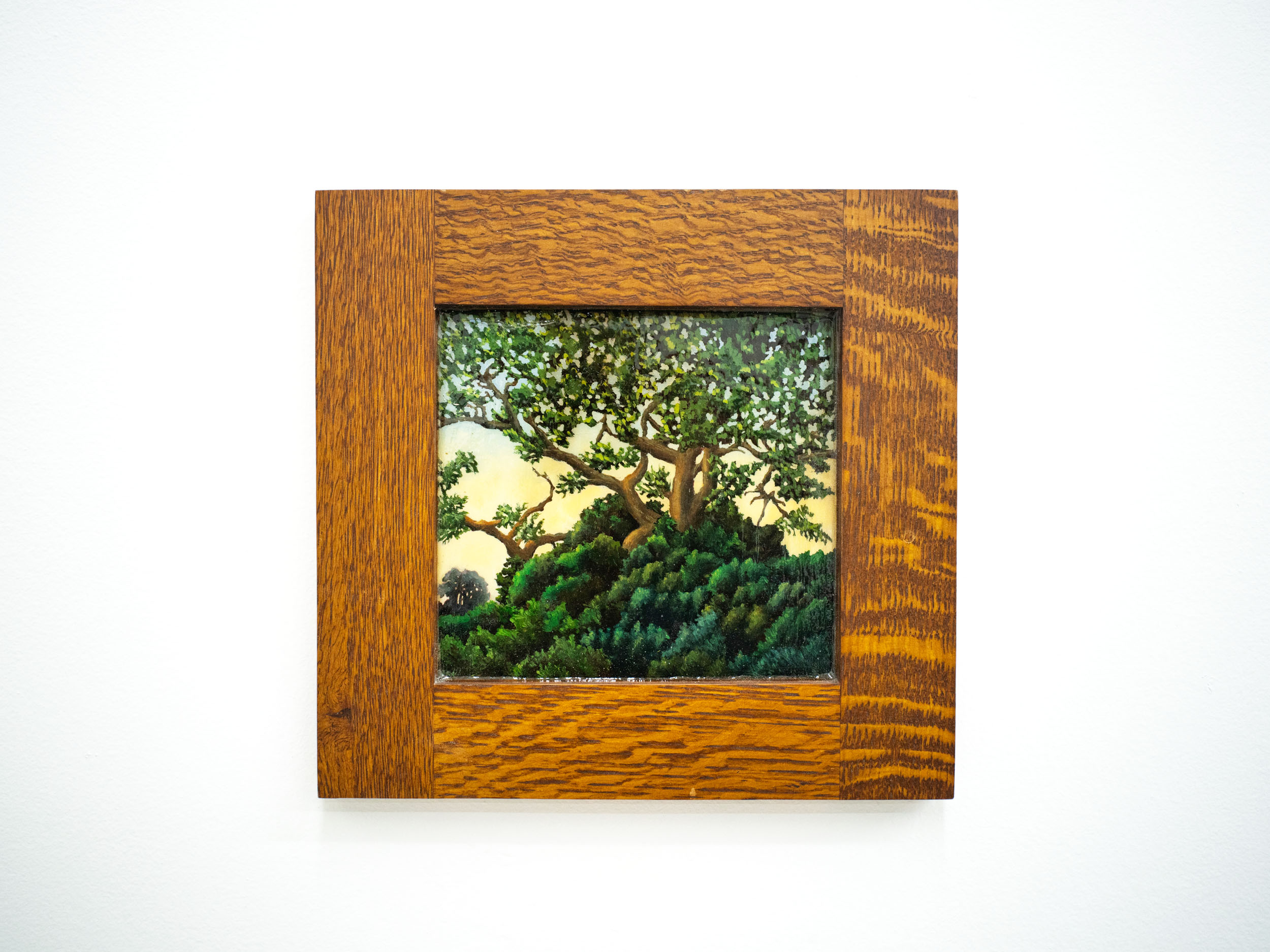
Outside of the Farm. Acrylic on wood panel
The exhibition opened on December 12, 2025 and will be on view through February 1, 2026
The Barbershop
3432 Caniff St. Hamtramck, MI, 48212
https://www.thebarbershop.ink
1. the BARBERshop.ink (@the_barbershop.ink). “Promotional post for exhibition.” Instagram. December 5, 2025. Link.
2. J. R. R. Tolkien, “Mythopoeia,” in Tree and Leaf, including Mythopoeia, ed. Christopher Tolkien (London: Allen & Unwin, 1964), 87.